When the miles start to blur, and the inner voice begins to question your resolve, sometimes the most powerful tool isn't another gel or a faster pace—it's the perfect beat. Finding the best music to run to isn't just about entertainment; it's a strategic move to optimize performance, elevate mood, and quite literally, power your next workout. Whether you're slogging through a long training run or pushing through a brutal hill repeats session, the right soundtrack can be the difference between hitting a wall and smashing through it.
At a Glance: Fueling Your Runs with Music
- Boost Performance & Mood: Understand how music scientifically enhances your running experience by regulating dopamine and distracting from discomfort.
- Tailor Your Soundtrack: Discover specific song recommendations and genres optimized for different types of runs—from long endurance efforts to recovery jogs.
- Master the Cadence: Learn how certain music tempos can help you achieve an optimal stride rate of 180 steps per minute.
- Curate Your Ultimate Playlist: Get practical tips on building a dynamic, personalized music library that stays fresh and motivating.
- Run Safely with Sound: Essential advice for enjoying your music without compromising awareness or safety, especially in high-traffic areas.
The Invisible Coach: How Music Transforms Your Run
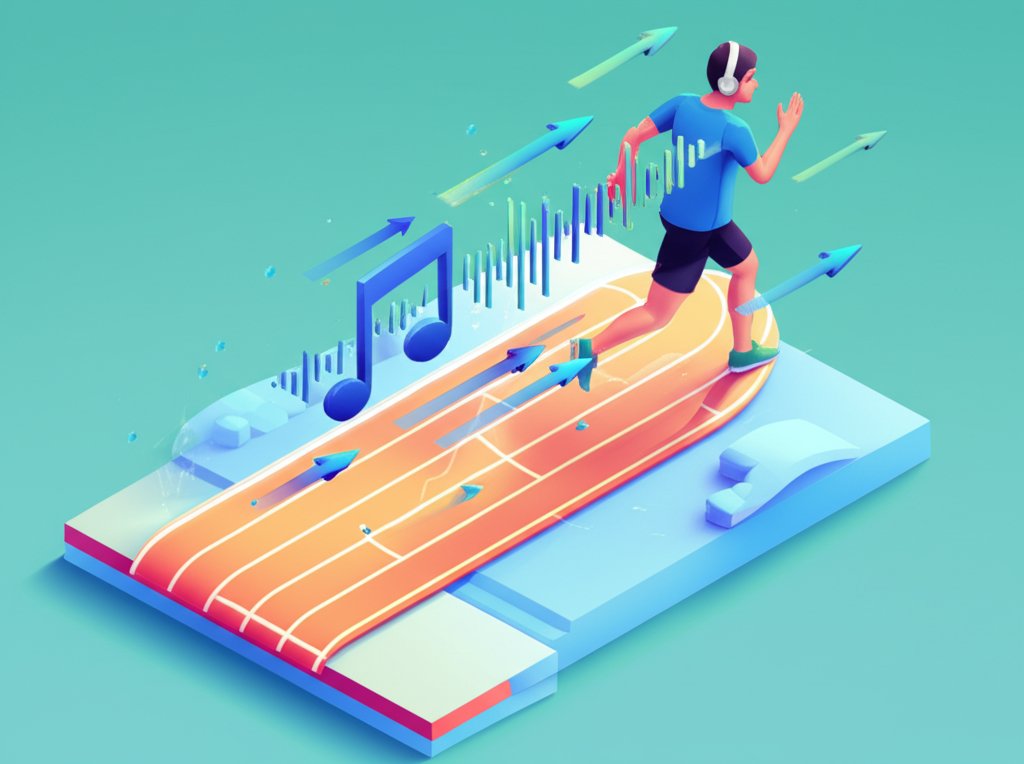
Think of music as your personal, always-on motivator. It's more than just background noise; it's a neurochemical hack. When you listen to music you enjoy, your brain releases dopamine, a neurotransmitter associated with pleasure and reward. This natural high doesn't just make you feel good; it actively reduces your perception of effort and pain. Suddenly, those challenging miles don't feel quite as daunting.
This isn't just anecdotal; studies confirm that music can increase endurance, improve performance, and elevate mood during physical activity. It acts as a powerful distraction from discomfort, pushing that "suffering" threshold just a little bit further—a concept intimately familiar to those who push the boundaries in ultra running. By syncing your movement to a rhythm, music can also improve your running economy, making each stride more efficient.
Crafting Your Sonic Strategy: Music for Every Run Type
The "best music to run to" isn't a one-size-fits-all playlist. Different workouts demand different sonic companions. What fuels a grueling uphill climb will likely jar a gentle recovery jog. Understanding how to match your music to your run type is key to maximizing its benefits.
Long Runs: The Endurance Rhythm
Long runs are a test of patience, mental fortitude, and steady endurance. The music here shouldn't be overly aggressive or distracting, but rather consistent, uplifting, and capable of holding a comfortable tempo. Think songs that build gradually, sustain a positive vibe, and can carry you for miles without becoming repetitive.
- Vibe: Steady, uplifting, consistent, motivating without being frantic.
- Why it works: These tracks keep your spirits high and your pace even, providing a mental escape when the miles get monotonous.
- Recommended Tracks:
- "Shivers" (Ed Sheeran)
- "There’s Nothing Holdin’ Me Back" (Shawn Mendes)
- "Moves Like Jagger" (Maroon 5)
- "Shake It Off" (Taylor Swift)
- "Locked Out Of Heaven" (Bruno Mars)
- "On Top Of The World" (Imagine Dragons)
- "Can’t Stop The Feeling" (Justin Timberlake)
Speedwork & Hill Sprints: Unleashing the Beast
When it's time to dig deep for speed intervals, tempo runs, or punishing hill repeats, you need music that matches that intensity. Look for high-energy, aggressive, and powerful tracks with a strong, driving beat. These songs are designed to pump adrenaline and help you push past perceived limits.
- Vibe: Aggressive, high-energy, driving, empowering.
- Why it works: The intense rhythm and lyrics can ignite your inner competitor, making you feel unstoppable even when your legs are screaming. This is where you channel that "I’m really good at suffering" mentality.
- Recommended Tracks:
- "The Phoenix" (Fall Out Boy)
- "Sabotage" (Beastie Boys)
- "Bulls On Parade" (Rage Against the Machine)
- "Somebody Told Me" (The Killers)
- "Welcome To The Jungle" (Guns N’ Roses)
- "Eye Of The Tiger" (Survivor)
- "Lose Yourself" (Eminem)
- "Pump It" (Black Eyed Peas)
Recovery Runs: Gentle Grooves for Healing
Recovery runs are about active rest, blood flow, and mental decompression. The goal isn't speed or intensity, but gentle movement. Your music should reflect this: slower tempos, melodic, and calming tracks that help you relax and enjoy the movement without any pressure.
- Vibe: Relaxing, melodic, soothing, contemplative.
- Why it works: These songs help reduce stress and promote a meditative state, allowing your body to recover while you still get in some beneficial movement.
- Recommended Tracks:
- "Trumpets" (Jason Derulo)
- "Drops Of Jupiter" (Train)
- "Lucky" (Jason Mraz)
- "Demons" (Imagine Dragons)
- "Sultans Of Swing" (Dire Straits)
- "Sweet Home Alabama" (Lynyrd Skynyrd)
- "Lego House" (Ed Sheeran)
- "Dog Days Are Over" (Florence + the Machine)
Cadence Boosting Beats: Hitting 180 BPM
Optimal running cadence is often cited around 180 steps per minute (BPM). Running at this cadence can improve efficiency and reduce injury risk. Specific music can help train your legs to hit this rhythm naturally. Look for songs with a consistent 180 BPM beat, or close to it, that you can match your footfalls to.
- Vibe: Consistent, rhythmic, energetic, but not necessarily frantic.
- Why it works: Matching your foot strike to the beat is an excellent way to improve running form and achieve a higher, more efficient cadence.
- Recommended Tracks:
- "Hawái" (Maluma)
- "Despacito" (Luis Fonsi)
- "Burn" (Ellie Goulding)
- "No Diggity" (Blackstreet)
- "Demons" (Imagine Dragons) – appears here again due to BPM versatility
- "Roar" (Katy Perry)
- "Cheap Thrills" (Sia)
- "Bailando" (Enrique Iglesias)
- "Thrift Shop" (Macklemore & Ryan Lewis)
Building Your Personalized Power Playlist
Now that you have an understanding of why and what music to choose, let's talk about building your actual playlists. The "best music to run to" is ultimately subjective, so a personalized approach is key.
Practical Steps for Playlist Curation:
- Categorize by Run Type: Create separate playlists for Long Runs, Speedwork/Hills, Recovery, and Cadence Training. This keeps your music focused and prevents accidental mood mismatches during a run.
- Consider BPM (Beats Per Minute): Use apps or online tools to find the BPM of your favorite songs. While some apps automatically categorize, knowing the BPM helps you manually select tracks that align with your desired effort level. For instance, most speedwork tracks will be 140-180+ BPM, while recovery might be 100-130 BPM.
- Think Lyrics & Energy: Beyond BPM, consider the emotional tone. Are the lyrics empowering or distracting? Does the overall energy of the song match your goal for that run? A great example is how many ultra runners find solace and motivation in quotes that acknowledge the hardship but inspire perseverance, much like certain songs can pull you through a tough patch. For more on how powerful words can fuel your journey, check out these Inspiring Ultra Running Quotes.
- Test and Refine: Don't just load up a playlist and hope for the best. Test it on a few runs. Does it flow well? Are there any jarring transitions? Does it keep you motivated or does it fade into the background too quickly?
- Rotate Regularly: The fastest way to get bored of a playlist is to listen to the same one every time. Introduce new tracks weekly or monthly. Explore different genres—you might be surprised by what resonates with your running rhythm.
- Include "Power Songs": These are those tracks that instantly lift your mood, make you feel invincible, or remind you of a past achievement. Sprinkle these into your playlists, especially for harder efforts. They're your secret weapon against the mental fatigue that often accompanies long runs.
Pitfalls to Avoid:
- Over-reliance: While music is a great tool, don't become completely dependent on it. Sometimes, running without music can help you tune into your body, practice mindfulness, and enjoy the sounds of nature.
- Too much volume: Blasting music can damage your hearing and make you oblivious to your surroundings.
- Uncurated chaos: A playlist with wildly varying tempos or moods can be more distracting than helpful. Keep it intentional.
Safety First: Running with Sound
While music can be an incredible running companion, it's crucial to prioritize safety, especially when running outdoors. The benefits of music should never outweigh your awareness of traffic, other pedestrians, or potential hazards.
- Situational Awareness is Paramount: This is the golden rule. No matter how good your playlist is, always be aware of your environment. This is especially true on busy roads, trails with wildlife, or in unfamiliar areas.
- Consider Bone Conduction Headphones: These headphones transmit sound through your cheekbones, leaving your ears open to ambient sounds. They are an excellent option for runners who want music but need full auditory awareness.
- One Earbud Out: If you use traditional earbuds, consider running with only one in, especially when running near traffic. This allows you to hear approaching vehicles, cyclists, or people.
- Keep Volume Moderate: Resist the urge to crank the volume to block out external noise. A moderate volume allows you to enjoy your music while still hearing important sounds like car horns or shouts.
- Avoid Noise-Canceling in Dangerous Areas: While great for focus, noise-canceling headphones can be a hazard in areas where you need to be acutely aware of your surroundings. Save them for treadmill runs or very isolated routes.
Quick Answers to Common Questions
Q: Is it okay to listen to music during races?
A: Generally, yes, but always check the race rules. Many races, particularly those on open roads or trails, might have specific guidelines about headphone use for safety reasons or to ensure fairness (as pacing with music can sometimes be seen as an advantage). When allowed, still prioritize safety and awareness.
Q: How do I find the right BPM for my specific running pace?
A: There are several apps (like Spotify, Apple Music, or third-party running apps) that can analyze your music library for BPM or help you find songs within a specific BPM range. You can also manually search for songs by BPM online. Experiment during your runs to see what BPM range naturally aligns with your desired effort and cadence.
Q: What if I get bored of my playlist?
A: This is common! The best solution is regular rotation and exploration. Dedicate time weekly or bi-weekly to discover new music. Try different genres, explore curated running playlists from streaming services, or ask fellow runners for their recommendations. Creating a few distinct playlists for each run type (e.g., "Long Run Playlist A," "Long Run Playlist B") can also help.
Q: Can music help me push through "the wall"?
A: Absolutely. Music's ability to distract from pain and discomfort, coupled with its mood-boosting dopamine release, makes it a potent mental tool. A well-timed "power song" with an empowering message can often provide that mental nudge needed to overcome moments of extreme fatigue or doubt. It won't make the pain disappear, but it can make it more tolerable, giving your spirit a fighting chance when your body wants to quit.
Your Personal Symphony for the Miles Ahead
The journey of a runner is deeply personal, often solitary, and always challenging. The best music to run to isn't a static list of hit songs; it's a dynamic, evolving soundtrack that supports your unique goals and emotional landscape. It's about finding that perfect synergy between rhythm, effort, and your own internal drive.
Start experimenting. Don't be afraid to mix genres, explore new artists, or revisit old favorites. Pay attention to how different tracks make you feel during your runs. Does a certain beat make your legs feel lighter? Does a particular chorus give you an extra surge of energy when you need it most? By thoughtfully curating your running music, you're not just creating a playlist—you're crafting a powerful tool to enhance your endurance, elevate your mood, and unlock new levels of performance on every single run. So, hit play, and let the music carry you forward.