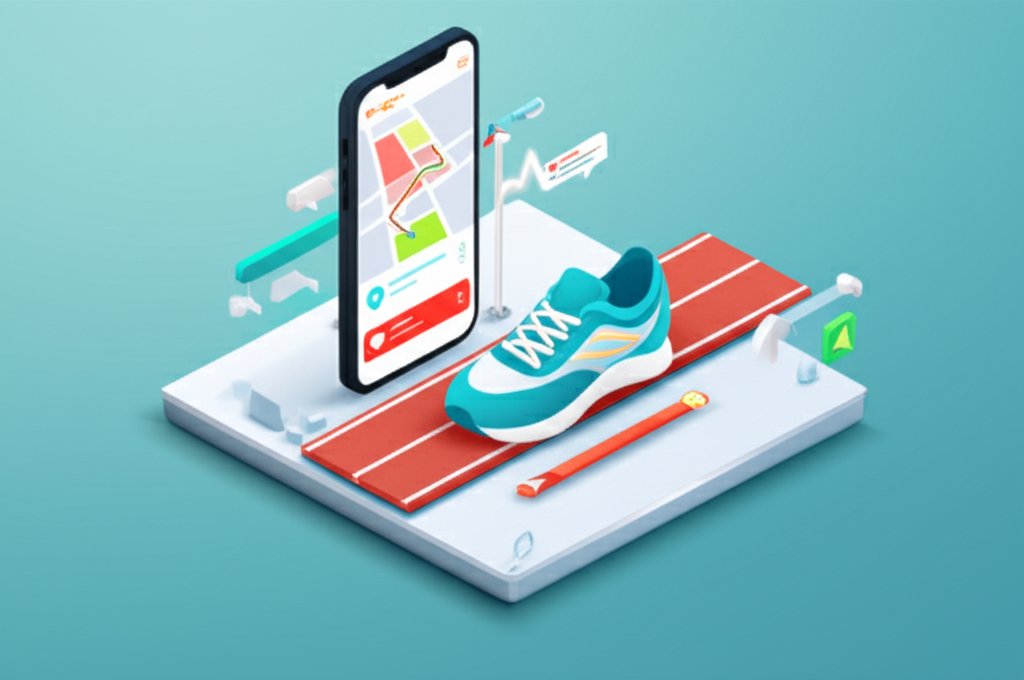
The wind whips past, the terrain shifts underfoot, and every stride tests your resolve. Cross country running is a pure, unvarnished challenge, demanding physical grit and mental fortitude. While the core experience remains primal—you versus the course—the right tools can significantly enhance your training. That's where good free running apps come in, transforming your smartphone into a powerful training partner, ready to track your progress, guide your workouts, and keep you motivated without costing a dime.
At a Glance
- Identify Your Training Needs: Understand which app features will best support your running style and goals.
- Explore Top Free App Options: Discover leading platforms like Strava, Nike Run Club, and MapMyRun, each with unique strengths.
- Leverage Key Features: Master GPS tracking, goal setting, and community aspects to maximize your training.
- Overcome Common Hurdles: Learn practical strategies for dealing with ads or limited free functionality.
- Stay Motivated on the Trails: Use app insights to track progress, celebrate achievements, and connect with fellow harriers.
The Harrier's Edge: Why Free Running Apps Are Essential for Cross Country
Cross country isn't just about physical endurance; it's a mental battle against the elements, varied terrain, and your own limits. This sport, often taking runners across muddy fields, up steep hills, and through dense woods, demands strength, determination, and a relentless spirit. As Nelson Mandela famously said, "training counted more than intrinsic ability, and I could compensate for a lack of natural aptitude with diligence and discipline." Free running apps can be invaluable allies in cultivating this discipline.
They provide the data to track your diligence, offer guided workouts to build your ability, and often connect you to communities that share your passion, helping you stay accountable. When the going gets tough, remember the words of those who've embraced the mud and the grit—they offer a powerful perspective on the journey. Read inspiring XC quotes to fuel your next run and fortify your mental game. These apps help you monitor progress over weeks and months, showing tangible improvements in pace, distance, and elevation, which is crucial for staying motivated during demanding training blocks.
The competitive nature of cross country, where individuals and teams are rated, means consistent, smart training is paramount. Whether you're a seasoned harrier or just starting, a good free running app can help you plan routes, understand your effort levels on different terrains, and analyze your performance to identify areas for improvement. They make the invisible work of training visible, offering objective insights into your subjective effort.
Pinpointing Your Perfect Training Partner: Key Features in Free Running Apps
When seeking out good free running apps, it’s not about finding the one-size-fits-all solution, but rather the one that aligns with your specific training needs and personality. Here’s what to prioritize:
- Accurate GPS Tracking: This is non-negotiable. Your app should precisely measure distance, pace, and—critically for cross country—elevation changes. GPS accuracy dictates the reliability of all other data.
- Detailed Workout Logging and History: The ability to review past runs, including splits, routes, and personal bests, is fundamental for tracking progress. Look for apps that present this data clearly and offer insights.
- Goal Setting and Progress Monitoring: Whether you're aiming for a new personal best over 5 miles or trying to increase your weekly mileage, the app should allow you to set specific goals and visualize your progress towards them. This gamification can be a huge motivator.
- Audio Cues and Guided Runs: For interval training, maintaining a target pace, or simply needing a motivational boost, audio cues are incredibly helpful. Some apps offer guided runs led by coaches, which can be fantastic for structured workouts.
- Community and Social Features: Running can be a solitary sport, but connecting with other runners can provide accountability and inspiration. Features like leaderboards, segment challenges, and the ability to share activities can make a big difference.
- Basic Training Plans: While advanced plans are often premium, many good free running apps offer introductory training programs (e.g., Couch to 5K, basic 10K builders). These are excellent for building foundational endurance.
- Cross-Platform Compatibility: Ideally, your chosen app should sync seamlessly with your preferred wearable devices (if you have them) and be available on both iOS and Android. This ensures your data is always accessible.
Leading the Pack: A Deep Dive into Good Free Running Apps
Navigating the multitude of available options can be daunting. Here’s a closer look at some of the most prominent good free running apps and how they cater to various training needs, especially for cross country runners.
Strava: The Social Competitor
Strava has become almost synonymous with running and cycling. Its core strength lies in its robust GPS tracking and its vibrant social network.
- Pros for XC: Exceptional GPS accuracy and detailed segment analysis. If you run a popular cross-country course, you'll likely find segments for specific hills or challenging sections, allowing you to compete for "King/Queen of the Mountain" (KOM/QOM) titles. The elevation tracking is solid, providing excellent data for trail runs. Its social feed lets you connect with teammates, follow professional athletes, and get kudos on your toughest runs.
- Free Features: Tracks pace, distance, elevation, heart rate (if connected to a monitor), and provides detailed route maps. You can join clubs, follow friends, and share your activities. The basic segment leaderboard is also free, letting you compare times on specific sections of a run.
- Considerations: While the free version is powerful, many advanced analytics (like custom goals, detailed performance graphs, and personalized training insights) are locked behind its subscription (Summit). However, for basic tracking and social engagement, it’s a powerhouse among good free running apps.
Nike Run Club (NRC): Your Personal Running Coach
Designed by Nike, NRC stands out for its focus on guided runs and coaching plans, making it more than just a simple tracker.
- Pros for XC: Its vast library of guided runs (audio coaching from Nike coaches and athletes) is excellent for structured workouts, mental fortitude, and pacing strategies. This can be invaluable for learning how to manage effort over varied terrain. The app offers free adaptive training plans for distances from 5K to marathon, which can be modified for cross country base building.
- Free Features: Precise GPS tracking, distance, pace, elevation, heart rate. Access to all guided runs, adaptive training plans, challenges, and personal best tracking. Integration with Apple Health and Google Fit.
- Considerations: While its coaching is top-notch, NRC's data analysis isn't as granular or community-driven as Strava's segments. It prioritizes the "experience" of running with guidance. For a runner who values structured coaching and motivation above deep analytics, this is a prime choice among good free running apps.
MapMyRun (Under Armour): The Route Discoverer
Part of the Under Armour Connected Fitness suite, MapMyRun excels at route discovery and planning.
- Pros for XC: Its extensive database of user-created routes is a goldmine for cross country runners looking to explore new trails or plan varied training sessions. You can discover routes near you, create your own with elevation profiles, and share them. This is particularly useful for finding new challenging courses or avoiding repetitive loops.
- Free Features: Tracks duration, distance, pace, calories burned, and elevation. It allows you to save and share routes, and basic food logging can help some runners understand their energy balance.
- Considerations: The free version does contain ads, which can be a minor annoyance. While it tracks all essential metrics, its social features aren't as robust as Strava's, and its coaching is less comprehensive than NRC's. Still, for route planning and exploration, it’s a standout among good free running apps.
Runkeeper: The Reliable Tracker
Runkeeper, now owned by ASICS, offers a straightforward and dependable experience for tracking runs.
- Pros for XC: Its simplicity makes it very user-friendly for anyone primarily interested in accurate GPS tracking and basic performance metrics. It's excellent for consistent logging and setting achievable goals, like increasing weekly mileage or holding a certain pace on a flat segment.
- Free Features: Tracks pace, distance, duration, elevation, and calories burned. It features audio cues for pace and distance, goal setting, and the ability to review past activities. You can also connect with friends and participate in challenges.
- Considerations: While reliable, Runkeeper doesn't offer the deep social engagement of Strava or the extensive guided coaching of NRC in its free tier. It's a solid, no-frills option if your primary need is accurate tracking and simple goal progression, placing it firmly in the category of good free running apps for foundational use.
Couch to 5K (and similar): Building Your Foundation
While not a single app, numerous free "Couch to 5K" (C25K) apps are available, each designed to take beginners from sedentary to running a 5K in about nine weeks.
- Pros for XC: For new cross country runners or those returning after a break, building a solid aerobic base is crucial. C25K apps provide a gradual, structured progression of walking and running intervals, preventing overexertion and injury. This aligns perfectly with the "will to prepare" that champions embody.
- Free Features: Week-by-week training schedules, audio cues to guide walk/run intervals, and basic tracking of completed workouts.
- Considerations: These apps are purpose-built for beginners and lack advanced features like detailed mapping or social integration. They are a fantastic starting point before transitioning to a more comprehensive tracking app.
Charting Your Course: Matching Apps to Your Runner Profile
Choosing the right tool from the array of good free running apps depends largely on your individual needs and running journey:
- For the Beginner or Returning Runner: Start with a Couch to 5K app to safely build your endurance. Once you can comfortably run for 30 minutes, transition to Runkeeper or Adidas Running by Runtastic for consistent tracking and simple goal setting. These offer a gentle introduction to data without overwhelming you.
- For the Intermediate or Goal-Oriented Runner: If you’re pushing your limits, entering local races, or training for specific cross country events, Nike Run Club is excellent for structured coaching and mental training, while Strava provides the detailed performance data and competitive edge through segments. Use NRC for your guided speed work and longer efforts, and Strava to log those runs and compare your performance on challenging hills.
- For the Explorer and Trail Enthusiast: Cross country by nature involves varied terrain. If you love finding new paths and mapping out challenging routes, MapMyRun shines. Its route discovery and creation tools are unparalleled among good free running apps, allowing you to plan ahead for those adventurous trail runs.
- For the Social and Motivated Runner: If connecting with others fuels your fire, Strava is the clear winner. Its community features, from giving kudos to joining clubs and competing on segments, create a powerful support system.
Unleashing Full Potential: Best Practices for Using Your Free App
Simply downloading an app isn't enough; maximizing its utility requires smart engagement:
- Customize Settings to Your Advantage: Dive into the app's settings. Adjust audio cues for intervals, turn off auto-pause if you frequently stop for rough terrain (though this can affect average pace), and customize the display to show the metrics most important to you during a run.
- Understand Your Data, Don't Just Collect It: Review your run summaries. What does a higher average pace on a flat course versus a lower one on a hilly cross-country trail tell you? Pay attention to elevation gain, which is a critical metric for harriers, and analyze your split times to see where you slowed down or sped up.
- Leverage Community for Motivation: Follow friends, join running clubs within the app (many local running clubs have Strava or NRC groups), and engage with posts. Seeing others’ efforts can inspire you on days when motivation wanes, especially during the off-season.
- Integrate with Other Tools (If Possible): Many good free running apps can sync with your phone's native health app (e.g., Apple Health, Google Fit) or even some free nutrition trackers. This provides a more holistic view of your fitness.
- Battery Management is Key: GPS tracking is a battery drainer. For longer cross country runs, especially in remote areas, ensure your phone is fully charged. Consider carrying a small portable power bank for runs exceeding 90 minutes.
- Prioritize Safety, Not Just Stats: If running alone in unfamiliar or remote areas, use features that allow you to share your live location with trusted contacts. Many apps offer this as a premium feature, but some free safety apps can supplement.
- Don't Over-rely – The App is a Tool: The app enhances your run; it doesn't define it. Sometimes, leaving the phone behind and simply enjoying the run, the mud, the grit, is the best form of training. "Run often. Run long. But never outrun your joy of running."
Navigating the Terrain: Common Hurdles & Smart Solutions for Free Apps
While good free running apps offer immense value, they come with a few common challenges:
- Pervasive Ads: Free apps often rely on ads for revenue. Solution: Learn to ignore them. Most ads are non-intrusive banners or appear only when you open or close the app. If they truly bother you, consider supporting the developers with a premium subscription down the line.
- Limited "Free" Features: Many apps tease advanced analytics or specialized training plans behind a paywall. Solution: Focus on what is free and truly useful for your needs. The core tracking, logging, and basic community features are often more than sufficient for most runners. Don't feel pressured to upgrade unless you genuinely need the premium features.
- GPS Inaccuracy: Dense tree cover, tall buildings, or specific phone models can sometimes lead to spotty GPS data. Solution: Ensure your phone's location services are set to high accuracy. Run in open areas where possible. If an app consistently shows poor GPS, try another one of the good free running apps, as some may handle signal loss better.
- Battery Drain on Long Runs: As mentioned, GPS is power-hungry. Solution: Optimize your phone settings: close background apps, lower screen brightness, and disable Wi-Fi/Bluetooth if not needed during the run. For very long efforts, a portable charger is your best friend.
Your Running Questions, Answered
Are free running apps accurate enough for serious training?
Yes, generally. Modern smartphones have good GPS capabilities, and leading free apps leverage this effectively. While a dedicated GPS watch might offer slightly more consistent accuracy or advanced metrics like running power, for tracking distance, pace, elevation, and time, good free running apps are more than sufficient for most serious training, especially for cross country.
Can I really train for cross country with just free apps?
Absolutely. Free apps provide the essential tools for tracking, planning, and motivation. They help you log mileage, monitor pace on varying terrains, and even follow structured plans. While advanced coaching often comes at a cost, the discipline and data insights from free apps can significantly elevate your cross country training.
How do free apps compare to paid ones or GPS watches?
Paid apps and GPS watches typically offer more advanced analytics (e.g., recovery metrics, detailed training load), fewer ads, and sometimes better GPS consistency in challenging environments. Watches also free you from carrying your phone. However, for core functionality like distance, pace, and route tracking, good free running apps deliver excellent value and are often enough for the majority of runners.
What about data privacy when using free running apps?
Like most apps, free running apps collect data on your activities, location, and sometimes even device usage. Always review the app's privacy policy to understand how your data is used and shared. Most reputable apps offer privacy settings to control who sees your activities.
Do I need to carry my phone on every run?
For GPS tracking, yes. However, if your goal is just to enjoy a short, untracked recovery run, or if you have a compatible GPS watch that syncs with the app later, you can leave your phone behind. Remember, the app is a tool, not a requirement for every single stride.
Lacing Up: Your Next Steps Towards Smarter Training
The journey of a cross country runner is one of continuous challenge and growth. Equipping yourself with the right tools, like good free running apps, can make that journey more informed, motivated, and ultimately, more rewarding. Start by assessing your own needs:
- Just Starting Out? Grab a C25K app to build your base.
- Need Reliable Tracking & Simple Goals? Download Runkeeper or Adidas Running for consistent, fuss-free data.
- Love Competition & Detailed Performance? Strava is your go-to for segments and community engagement.
- Seeking Guided Runs & Structured Plans? Nike Run Club offers exceptional coaching directly in your ear.
- An Explorer at Heart? MapMyRun will help you discover and chart new cross country routes.
Experiment with one or two of these options. Most importantly, use the insights they provide to refine your training, stay accountable, and cultivate the mental toughness that defines a true harrier. Embrace the data, but never forget the primal joy of putting one foot in front of the other, connecting with the earth beneath you, and pushing past your perceived limits.