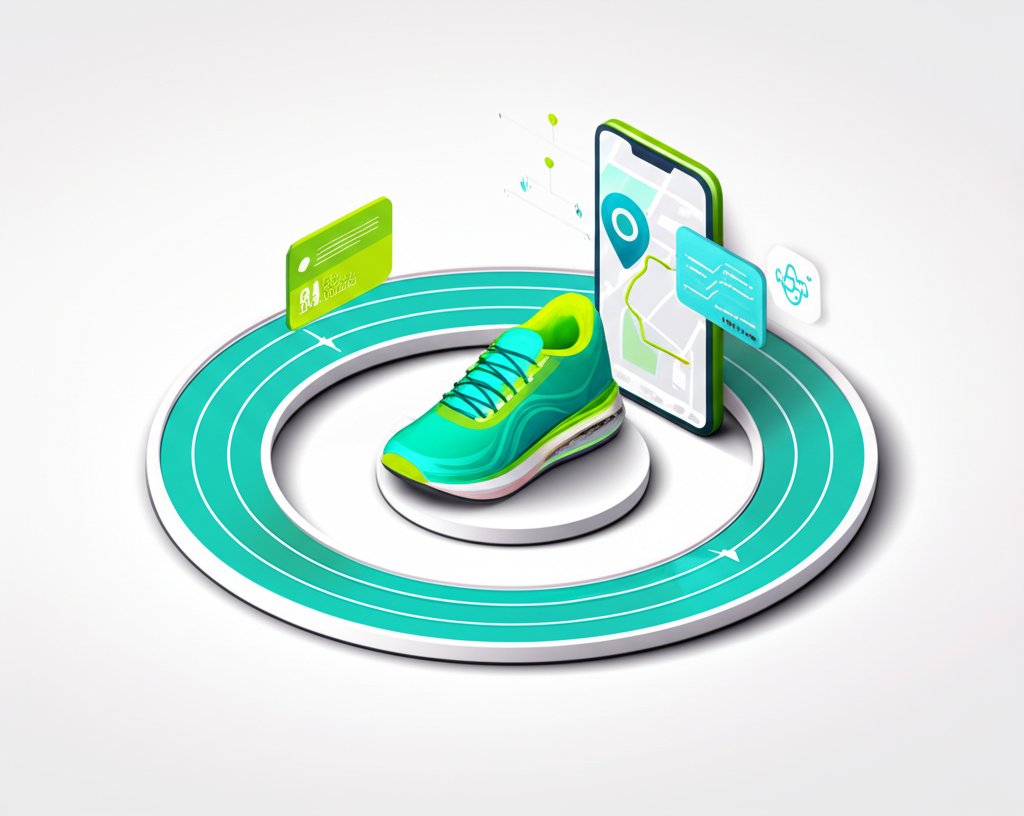
When you're out on the trails, pushing through mud and conquering hills, the sheer mental grit and physical effort are undeniable. But what if you could not only feel that effort but also see its impact, track your growth, and strategically plan your next breakthrough? This is where modern running apps transform raw effort into measurable progress, turning every stride into valuable data. They move beyond simple stopwatch functions, offering tools that refine your training, motivate your consistency, and ultimately, elevate your performance.
At a Glance: Harnessing Running Apps
- Discover Essential Features: Learn which app functionalities truly matter for tracking progress and boosting performance.
- Match Apps to Your Goals: Understand how to select the perfect running app based on your specific training needs, whether you're a beginner or an experienced cross-country competitor.
- Integrate Data for Smarter Training: See how linking your app data to other platforms can create a holistic view of your fitness.
- Uncover Hidden Benefits: Explore advanced uses like injury prevention, virtual coaching, and community engagement.
- Get Your Questions Answered: Address common concerns about accuracy, cost, and the necessity of smartwatches.
More Than Just a Tracker: Why Running Apps Are Essential

Gone are the days when a simple wrist-worn stopwatch was your sole companion on a run. Today's running apps leverage the powerful sensors in your smartphone or smartwatch to capture a wealth of information: GPS data for pace and distance, accelerometer readings for cadence, and even heart rate data from connected devices. This isn't just about recording numbers; it's about translating your real-world effort into actionable insights.
Think of it as having a personal coach, data analyst, and motivator all in your pocket. These apps provide a granular view of your training, highlighting trends, identifying areas for improvement, and helping you stick to a plan. For cross-country runners, where terrain variation and endurance are key, the ability to analyze elevation changes, sustained effort zones, and recovery metrics becomes invaluable.
Core Features That Drive Progress

Not all running apps are created equal, and their true value lies in how well their features align with your training objectives. Here are the functionalities that truly make a difference for tracking progress and enhancing performance:
Precise GPS Tracking and Mapping
The foundation of any good running app is accurate GPS tracking. This tells you not only how far you've run but also your exact route, pace per mile or kilometer, and total elevation gain. For cross-country, mapping capabilities are crucial; you can review your trail, identify challenging sections, and even explore new routes with confidence. Some apps offer satellite or topographical views, which are particularly helpful for off-road adventures.
Performance Metrics at Your Fingertips
Beyond basic distance and pace, top-tier apps provide a suite of performance metrics. This includes:
- Cadence: Steps per minute, indicating your running efficiency. A higher cadence often reduces impact on joints.
- Split Times: Automatic lap recordings, typically per mile or kilometer, allowing you to see if you're maintaining an even pace or fading.
- Elevation Profile: A detailed graph showing ascents and descents, essential for understanding effort distribution on hilly cross-country courses.
- Heart Rate Zones: If paired with a heart rate monitor, apps display time spent in different zones (e.g., aerobic, anaerobic), guiding you toward specific training adaptations.
- Estimated VO2 Max: A measure of your aerobic capacity, which can be tracked over time to indicate improvements in fitness.
These metrics aren't just numbers; they tell a story about your run, helping you fine-tune your approach for future training sessions or races.
Training Plans and Guided Workouts
One of the most significant advantages of running apps is access to structured training plans. Whether you're aiming for your first 5K, a marathon, or simply looking to improve your cross-country speed, many apps offer adaptive programs. These plans often include:
- Goal-Based Training: Specific schedules designed for certain race distances or fitness targets.
- Interval Training: Guided sessions with precise timings for fast bursts and recovery periods.
- Tempo Runs: Instructions to maintain a challenging but sustainable pace for a set duration.
- Recovery Runs: Reminders to take it easy on designated days, promoting proper muscle repair.
Some apps even provide audio cues from virtual coaches, guiding you through each segment of your workout, making it easier to stay focused and hit your targets.
Progress Visualization and Analytics
Seeing your progress graphically is incredibly motivating. Running apps excel at presenting your data in clear, digestible formats. You can often:
- View Historical Data: Look back at weeks, months, or even years of training to identify patterns and trends.
- Track Personal Bests (PRs): Celebrate new records for specific distances, segment times, or fastest miles.
- Monitor Consistency: See how often you're running, which is a powerful indicator of commitment and a core principle for any runner. As Bill Rodgers aptly noted, "consistency, a sane approach, moderation, and making your running an enjoyable, rather than dreaded, part of your life" are key to success.
- Analyze Performance Over Time: Compare your average pace, distance, or effort level week-over-week to observe your fitness trajectory.
This visualization not only confirms your hard work but also provides tangible evidence of improvement, fueling your desire to push further.
Community and Social Features
Running, especially cross-country, often has a strong community aspect. Many running apps tap into this by allowing you to:
- Share Runs: Post your activities to social feeds within the app or to other platforms like Instagram or Facebook.
- Connect with Friends: Follow other runners, give kudos, and leave comments on their activities.
- Join Challenges: Participate in virtual races or distance challenges with friends or a global community.
- Segment Leaderboards: Compete for the fastest times on specific stretches of road or trail, adding a competitive edge to your training.
This social interaction can provide a powerful dose of motivation and accountability, mimicking the camaraderie found in a running club or race day.
Choosing the Right Running App for You
With so many running apps available, deciding which one is best can feel overwhelming. Your ideal choice will depend on your specific needs, budget, and running style.
Consider Your Device Ecosystem
Are you an iPhone user with an Apple Watch, or do you prefer Android with a Garmin or Fitbit? Some apps integrate more seamlessly with certain operating systems and wearables. For instance, Apple Fitness+ is deeply integrated with Apple products, while Garmin Connect is tailored for Garmin devices.
Identify Your Primary Goals
- Beginner? Look for apps with guided "Couch to 5K" programs, clear interface, and simple tracking. Nike Run Club, Couch to 5K, and Peloton (for guided audio runs) are strong contenders.
- Performance-focused (like many cross-country runners)? You'll want detailed metrics, advanced analytics, custom workout creation, and robust GPS. Strava, Garmin Connect, and COROS are excellent for this.
- Community-driven? Apps with strong social feeds, clubs, and segment challenges will be appealing. Strava is a leader here.
- Budget-conscious? Many apps offer a free tier that covers basic tracking, with premium features requiring a subscription.
Explore App-Specific Strengths
Here's a quick look at some popular options and their typical strengths:
- Strava: King of social running, segment challenges, detailed analytics (premium), excellent for competitive runners.
- Garmin Connect: Best for Garmin device owners, incredibly deep data analysis, custom workouts, robust training plans.
- Nike Run Club (NRC): Fantastic guided runs with celebrity coaches, good for motivation, free basic tracking, easy to use for beginners and intermediates.
- Runkeeper: Solid all-around tracker, good for setting goals, simple interface, offers guided workouts.
- Apple Fitness+ / Google Fit: Integrated health platforms offering basic run tracking, often tied to device ecosystems.
- AllTrails / Gaia GPS: While not strictly "running apps," these are invaluable for cross-country trail discovery, mapping, and navigation, and often integrate with dedicated running apps.
Remember: many apps offer a free version to get started. Try a few to see which interface and features resonate most with your running style before committing to a premium subscription.
Integrating Running Apps into Your Training Regimen
Simply downloading an app isn't enough; integrating it thoughtfully into your routine maximizes its benefits. This means consistent use and smart data interpretation.
Daily Tracking Discipline
Make using your running app as habitual as lacing up your shoes. Consistent data collection is the cornerstone of effective tracking. Every run, whether it's an easy recovery jog or a grueling hill workout, contributes to a more complete picture of your fitness journey. This discipline reflects the consistent effort that all great runners, like those who inspire us with their enduring spirit on the cross-country course, demonstrate. For more on that enduring spirit, you might want to Discover inspiring cross country quotes.
Data Review and Adjustment
After each run, take a few minutes to review your data. Did you hit your target pace? How did your heart rate respond to that hill? Did your cadence improve? Use these insights to inform your next workout. If you consistently find yourself struggling on long runs, perhaps your mid-week efforts are too intense, or your nutrition needs an adjustment.
Connect Your Devices
For the most comprehensive data, link your running app to compatible devices:
- Smartwatch: Provides real-time metrics on your wrist, often with more accurate GPS and heart rate than a phone.
- Heart Rate Monitor (Chest Strap): Generally offers the most accurate heart rate data, superior to wrist-based sensors for interval training.
- Foot Pod/Running Dynamics Sensor: Measures advanced metrics like ground contact time, vertical oscillation, and running power, offering deeper insights into your form.
- Smart Scale: Some apps integrate weight and body composition data, useful for overall health and performance tracking.
By consolidating this data, you gain a holistic view of your fitness, going beyond just the run itself.
Cross-Platform Syncing
Many running apps allow you to sync your activities to other platforms. For example, you might track your run with Garmin Connect, then automatically push that data to Strava for social sharing and segment challenges, and finally to TrainingPeaks for deeper analysis by a coach. This creates a powerful ecosystem for your training data.
Advanced Uses for Serious Runners
Beyond basic tracking, running apps offer sophisticated functionalities that can give seasoned cross-country runners a competitive edge.
Performance Trend Analysis
Premium app features often include tools to analyze long-term performance trends. This means:
- Fitness & Freshness Graphs: See how your training load accumulates and how rested you are, helping prevent overtraining or under-recovery.
- Predicted Race Times: Based on recent performances, apps can estimate your potential times for various race distances.
- Seasonal Performance Review: Compare your fitness levels across different seasons, identifying peak performance periods and potential training plateaus.
This analytical depth helps you periodize your training effectively, timing your peak performance for key races.
Custom Workout Creation
For runners following specific coaching plans or experimenting with unique training stimuli, the ability to create and upload custom workouts is invaluable. You can define exact distances, paces, heart rate zones, or even power targets for each interval, ensuring precise execution of your training program. This is particularly useful for complex cross-country specific workouts like hill repeats or varied-terrain intervals.
Gear Tracking for Longevity
Most good running apps allow you to log your running shoes and track their mileage. This isn't just a novelty; it's a practical tool for injury prevention. Running shoes typically have an effective lifespan of 300-500 miles. Exceeding this can increase your risk of injuries due to worn-out cushioning and support. Knowing when to retire a pair helps you stay healthy and consistent, critical for demanding cross-country training.
Quick Answers to Common Running App Questions
Are Free Running Apps Good Enough for Most Runners?
Absolutely. Many free versions of popular running apps offer robust GPS tracking, basic pace and distance metrics, and even some guided runs. For beginners and recreational runners, these free tiers are often more than sufficient to track progress and stay motivated. Premium subscriptions typically unlock advanced analytics, custom training plans, and deeper social features, which become more valuable as your running goals become more specific or competitive.
How Accurate Are Running Apps?
The accuracy of running apps largely depends on the GPS signal quality and the device you're using. Smartphones can be less accurate than dedicated GPS running watches because their GPS chips aren't always as precise, and signals can be affected by buildings, dense tree cover (common in cross-country), or being tucked away in a pocket. Smartwatches or dedicated GPS devices with multi-band GPS tend to offer the best accuracy, especially for nuanced metrics like pace and distance on varied terrain. Regular calibration, if offered by the app, can also improve accuracy over time.
Do I Need a Smartwatch to Use Running Apps Effectively?
No, but it significantly enhances the experience. While you can use most running apps with just your smartphone, a smartwatch or dedicated GPS running watch provides several advantages:
- Convenience: Real-time data on your wrist, without pulling out your phone.
- Accuracy: Often more precise GPS, especially in challenging environments.
- Heart Rate Tracking: Built-in optical heart rate sensors for continuous monitoring.
- Advanced Metrics: Some watches can track running dynamics like ground contact time or vertical oscillation.
- No Phone Required: Some watches offer standalone GPS tracking, allowing you to leave your phone at home.
For serious runners, especially those tackling complex cross-country courses, a GPS watch is a worthy investment.
Can Running Apps Help Prevent Injuries?
Indirectly, yes. By providing detailed data on your training load (distance, intensity, elevation), running apps can help you identify sudden spikes in mileage or effort that might lead to injury. Features like gear tracking remind you to replace worn-out shoes. Moreover, if you listen to your body and correlate pain with specific training patterns recorded in your app, you can learn to adjust your routine proactively. However, they are tools; they don't replace proper form, listening to your body, or consulting a medical professional for actual injuries.
Your Personalized Running App Playbook
Choosing and using a running app isn't about finding a magic bullet, but about empowering yourself with data and guidance. Here's a quick action plan:
- Define Your Goal: Are you aiming for a specific race, general fitness, or improving your cross-country performance? Your goal dictates the features you'll prioritize.
- Trial and Compare: Most popular apps offer a free tier. Download 2-3 that seem to fit your needs (e.g., Strava for social, NRC for guided runs, Garmin Connect if you have a Garmin watch).
- Run with Purpose: Use the app consistently. Don't just record; review. Look at your pace, elevation, and how you felt on different segments of your run.
- Connect Your Gear: Pair your app with any smartwatches or heart rate monitors you own for richer data.
- Seek Insights: Pay attention to trends in your performance metrics. Are you getting faster? Are you recovering well? Use the insights to make small, intelligent adjustments to your training.
Remember, the best running apps are those that become an intuitive extension of your running journey. They're there to help you track the effort, celebrate the wins, and continuously improve, turning every mile into a step towards your personal best.